

Pharma Latest News Regarding Generic Medicines
Generic medications, previously under-appreciated as second-best alternatives to brand medications, have quickly become a leading part of modern health care systems in almost every nation around the globe. Rapid increases in the costs of prescription medication and chronic illness prevalence, coupled with increasing pressure on public health care budget expenditures, have increased interest in the availability of generic versions of medications like never before.
Generic medicines provide much more than merely a cost-saving alternative to brand-name pharmaceuticals; they also allow millions of people who would not otherwise be able to afford a brand-name pharmaceutical version the opportunity to receive life-saving treatment. The Indian pharmaceutical industry produces the most generic medications in the world and is capable of providing to both domestic and foreign markets through shipments made to over 200 countries. In this blog, we are going to talk about the pharma latest news regarding generic medicines.
Table of Contents
What Do You Understand by Generic Medicine? Understand in Simple Words:
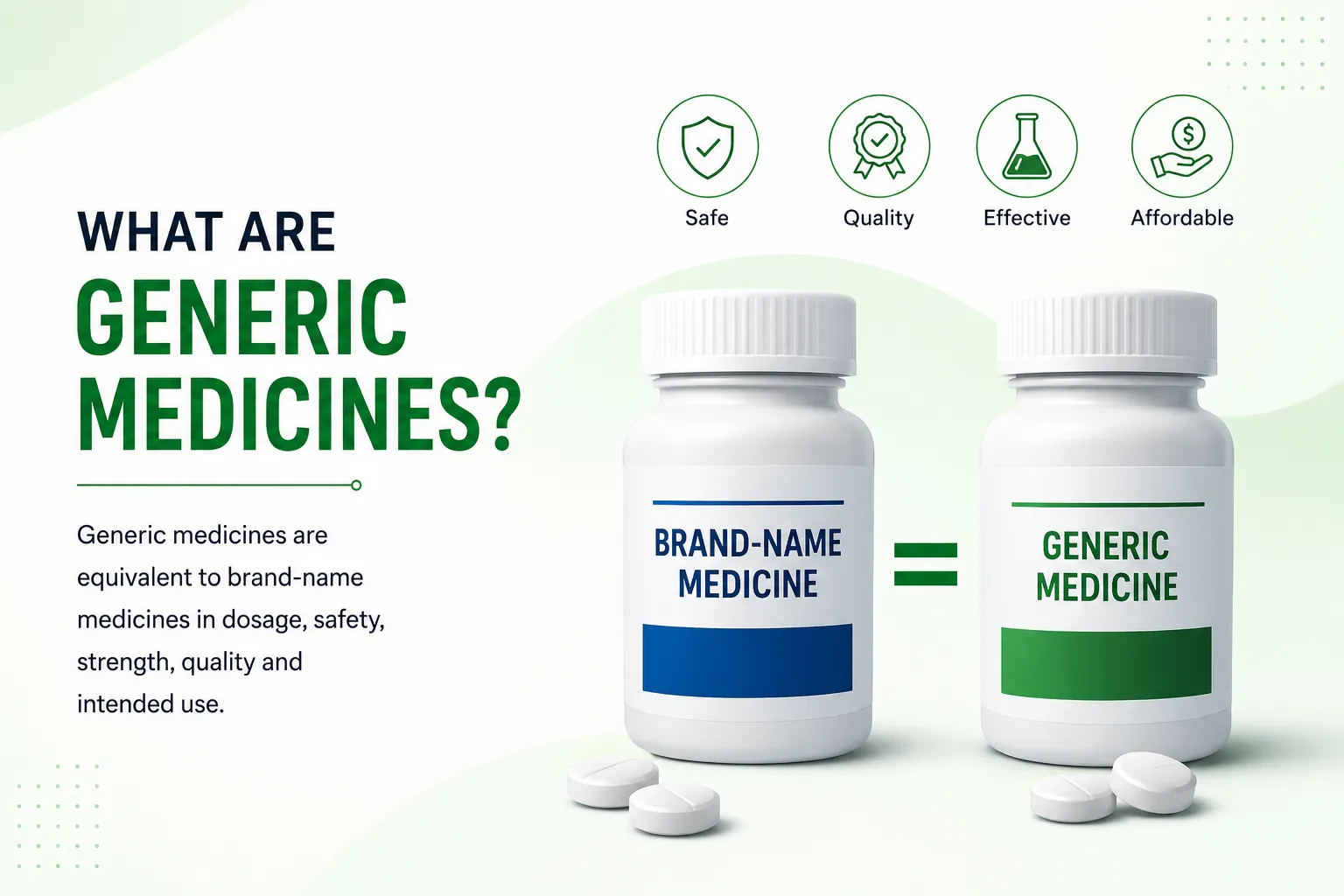
The term “generic medicine” refers to a pharmaceutical product that has the same active substance, dosage, and form as the branded version. In order to be approved for sale in the market, the world’s regulatory authorities, such as the FDA, CDSCO (India), and TGA (Australia), require generic medicines to demonstrate bioequivalence. Therefore, if a generic is approved by the regulatory authorities, it will provide the same therapeutic effect to patients as the branded product (i.e., will be equivalent) — as may be assumed.
Latest News and Developments in Generic Medicines — 2026
1. India Consolidates Its Position as the Global Generic Pharma Hub (Last Updated)
The Indian pharmaceutical industry remains the global leader in the generic pharmaceuticals market in present time, producing an estimated 20% of the world’s total volume of generic pharmaceuticals (based on trade data from Pharmexcil). Additionally, the Indian pharmaceutical sector has experienced significant growth in revenue, exceeding $50 billion annually, with robust growth in exports to the USA, UK, Africa, and Southeast Asia.
The Indian government has made strides toward improving the country’s quality of manufactured goods as we enter 2026 by placing additional emphasis on inspecting manufacturing facilities of pharmaceutical products. In light of the renewed global focus on India’s manufacturing practices, the Central Drug Standards Control Organisation (“CDSCO”) has begun conducting more frequent unannounced inspections of generic drug manufacturing plants in India. As a result, several drug manufacturers have made significant improvements in their facilities to ensure compliance with World Health Organization – Good Manufacturing Practices (“WHO – GMP”) and United States Food and Drug Administration (“US FDA”) guidelines, which will further support India’s position as a global supplier of pharmaceuticals.
2. US FDA Streamlines Processes for Approving Generic Pharmaceuticals (As of Q2 2025)
The US FDA has granted a record number of Approvals for Generic Pharmaceuticals during the First Half of last year. This is part of the US FDA’s goal to Increase Competition in the Marketplace and provide lower-cost prescription drugs to US Consumers.
The FDA Office of Generic Drugs is primarily focused on approving complex generics, including such products as inhalers, topical agents and injectable products, which have historically been developed by Brand Name manufacturers due to the level of technical complexity in producing these products.
The government of the United States has made this initiative a part of their more holistic plan to make drugs more affordable. The United States has determined that one of the most effective methods of lowering the out-of-pocket cost for patients without having Congress involved is to have generic competition for a drug on the market.
3. The World Health Organization (WHO) has expanded the prequalification of generic medications for use in developing countries
Last Year, the WHO expanded the service of prequalifying medications to be sold internationally by the various agencies that provide support for health initiatives around the world (e.g., UNICEF, Global Fund, etc.) and have approved many more generic medications that meet their criteria. Examples of medications in those disease categories would include HIV medications, medicine to treat malaria, and medicine to treat tuberculosis.
Because generic medications have historically provided the only options available to treat patients with these diseases in developing and middle-income countries, their availability would represent significant savings to international health organizations without jeopardizing their established, stringent quality and safety guidelines.
4. Record Growth for European Generic Medicine Market (Currently Updated)
Europe saw the highest growth rate in generic medicine in the past decade, as numerous blockbuster drugs have lost their patents, such as those used to treat diabetes, cardiovascular disease, and autoimmune diseases. A significant factor in growth is the introduction of biosimilars, where, after losing their patent, high-value monoclonal antibody products will be available at much lower prices to European patients.
The EMA has also changed its biosimilar approval process in current time, which reduces manufacturers’ time-to-market and allows patients faster access to lower-cost alternatives to the most expensive drugs available worldwide.
5: AI and Generic Drugs: A New Vista of the Future (Last Updated)
In 2026, the use of artificial intelligence (AI) is rapidly changing the way generic drugs are developed and brought to market by using AI to assist with drug formulation, quality verification, and regulatory submissions. Leading generic drug manufacturers were utilizing AI to complete bioequivalence testing, evaluate dissolution rates, and further enhance the manufacturing process, which is allowing them to reduce the time and cost of getting a new generic approved and to market. Additionally, AI is now being used to collect and evaluate post-market safety information on generic drugs in real time. This provides manufacturers and regulatory agencies with the ability to identify and act upon adverse events much more quickly than they have ever been able to do in the past.
How Generic Medicines are Gaining Popularity Among Doctors and Patients in 2026
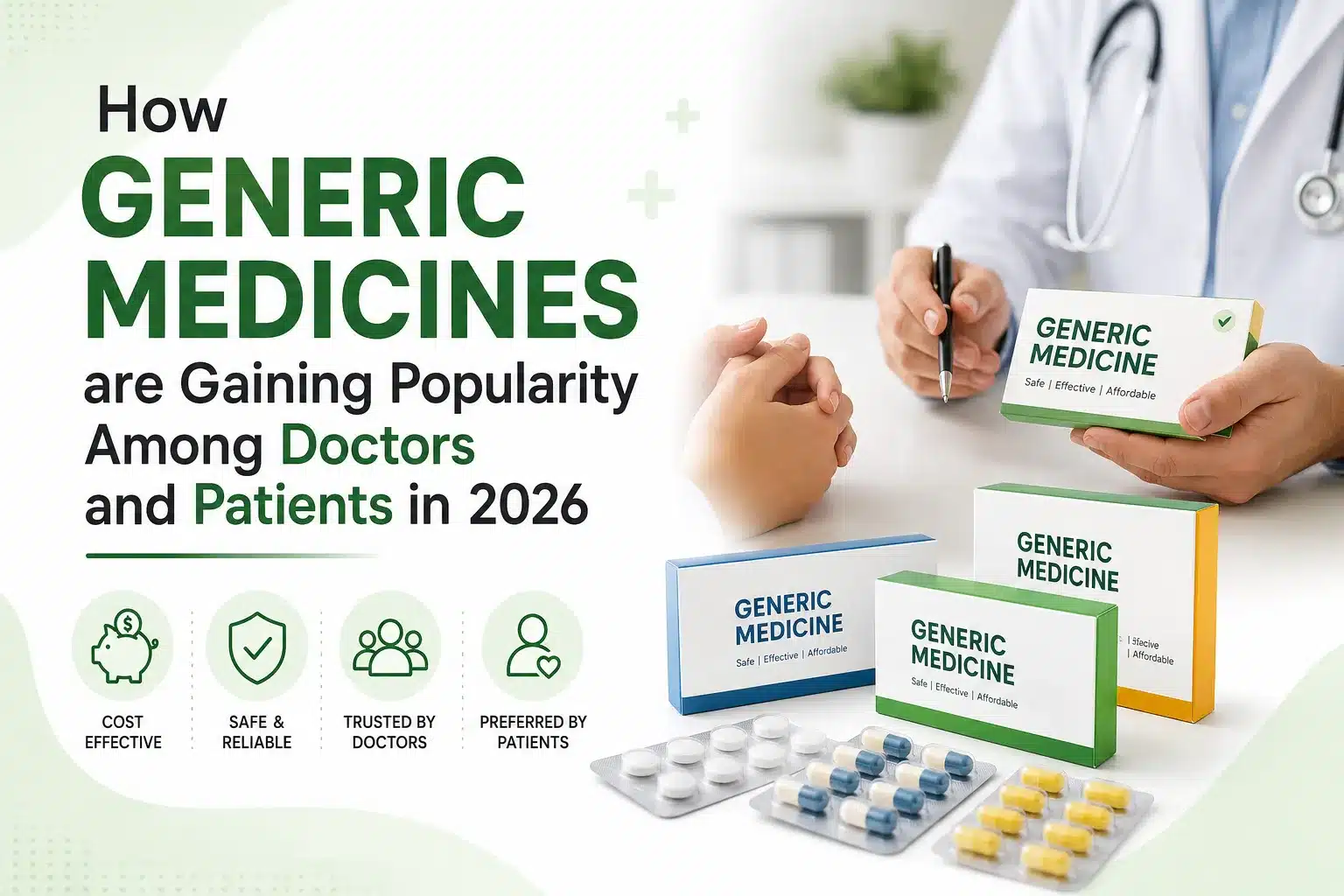
The conversation regarding generic medicines has evolved noticeably over the last 10 years. In 2015, most physicians and patients were unwilling to substitute a generic for a brand-name product. However, by 2025, this hesitance is nearly non-existent, as is further evidenced by statistical analyses from various regulatory agencies.
The clinical effect of every generic prescription drug that gets approved to sell must be the same as the clinical effect of the brand-name drug that contains the same active ingredient and is delivered in the same dosage. The only applicable difference will usually be its price, which is significantly lower than the brand-name product. According to the Food and Drug Administration, generic prescription drugs typically cost between 40% and 85% less than the brand-name drug.
Discount drug programs and healthcare systems need to focus on this transition to generic medications, not just because it is economically advantageous; it is also a medical ethical necessity, particularly given the increasing incidence of chronic diseases among populations that are older and living longer.
Are you looking to source affordable generic medications from reputable manufacturers in India? Check out our listings!
Challenges Facing the Generic Medicines Industry in Present Time
Despite the good news for generic manufacturers moving forward through the second half of 2025, there are still major challenges facing this industry.
The Supply Chain Problem — There are many APIs manufactured in a few countries (India and China) globally. Should something happen in these countries (geopolitical strife or a natural disaster), there will be a global effect because so many countries are relying on them for API.
Drug Shortages — There are numerous categories of generic medicines that are out of stock and happen regularly; however, the most severe shortages that exist today are for the older off-patent medications that are manufactured with a low profit margin. As a result, the exit of some manufacturers over time has resulted in the shortage of some older medications. Regulation and health ministries are working together in several nations to develop incentives.
Counterfeit and substandard medicines – This issue is being seen in some areas of Africa and Asia as well as being prevalent through online pharmacies internationally, damaging patients’ perception of generic drugs and poses a serious risk to those who are already vulnerable. Purchasing only from approved and verified sources is the best solution.
What is the Future of Generic Medicines?
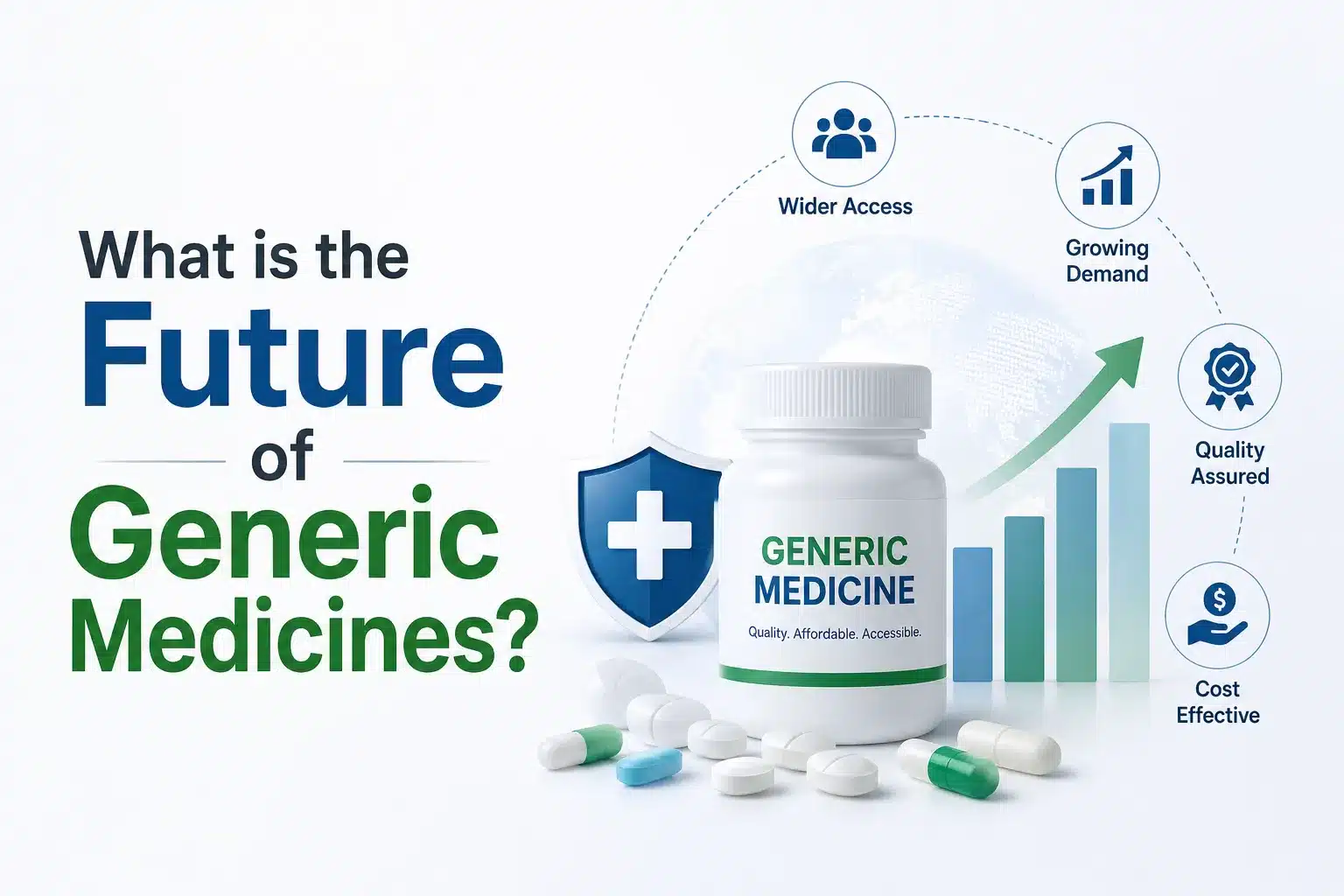
The industry appears to be one with sustained robust growth going forward with the forthcoming expiration of patents in small molecule drugs and biologics due to come about within the next five years. It is the biosimilar sector that seems set to become a significant area of growth with large and highly valuable antibodies off patent, meaning there will be considerably cheaper alternatives to high cost alternatives now and in the foreseeable future.
For patients, health providers, health systems globally, generic medicines can be viewed as the most significant tool for making healthcare accessible and affordable. Information relating to the developments of this section of healthcare appears vital and more than an interesting addition to our knowledge.
Frequently Asked Questions For Latest News Regarding Generic Medicines in 2026:
1. What is a generic medicine?
A generic medicine is a drug that has the same active ingredient, dosage and formulation as the brand-name drug. Government organizations such as the FDA, TGA, and CDSCO require a generic medicine to conform to the same standards of safety, quality and efficacy as a brand-name medicine before it is approved.
2. Are generic medicines as effective as brand-name medicines?
Yes. They are required to meet the bioequivalence standard set by authorities like FDA and TGA and to produce the same therapeutic effect with no clinically significant differences in outcomes as the brand-name product, at the same dosage.
3. Why are generic medicines cheaper than brand-name medicines?
Generic manufacturers do not undertake the extensive research and development costs of the brand-name drug. After the patent expires, they are merely copying a formula that already exists and is effective, so they can afford to sell it at lower prices (40-85% cheaper than brand-name products).
4. Which country is the largest producer of generic medicines?
India is currently the world’s largest producer and supplier of generic drugs in the world, accounting for around 20% of the global generic drug exports volume, and providing affordable drugs to over 200 countries of the world.
5. Are generic medicines safe for long-term use?
Yes. They undergo all the same rigorous safety and quality tests as a brand-name medicine and are safe for long-term use as long as they have been prescribed by a licensed and reputable pharmacy.
6. Can a generic drug be prescribed instead of a brand-name drug?
Yes, doctors in most countries can prescribe generics directly, and pharmacists often have the option to substitute a brand-name prescription with a generic equivalent without the need for a doctor to write the prescription for a generic, provided the prescriber does not indicate a brand name is required.
7. What is a biosimilar, and how does it differ from a generic?
A biosimilar is the generic version of a biologic – complex drug developed from living cells, as opposed to small-molecule drugs with identical molecular structures. The manufacturing of biologic drugs means biosimilars cannot be identical and must prove equal safety and efficacy through data and clinical trials.
8. How much cheaper are generic drugs than brand-name?
Generic drugs are typically 40-85% cheaper than brand-name drugs. Prices will vary according to the molecule, market competition, and the number of generic manufacturers for the molecule.
9. Are all generic drugs manufactured to the same standard quality?
No, however, approved generics available in regulated markets such as America, the EU and Australia are manufactured under tight guidelines. Ensure the pharmacy you purchase from is licensed, and any generic you buy is from verified sources.
10. What is the outlook for generic medicine?
The global generic medicines market is expected to grow significantly to 2030 as major patent expiries, launch of new biosimilars, and global desire for cheap medicine increase.